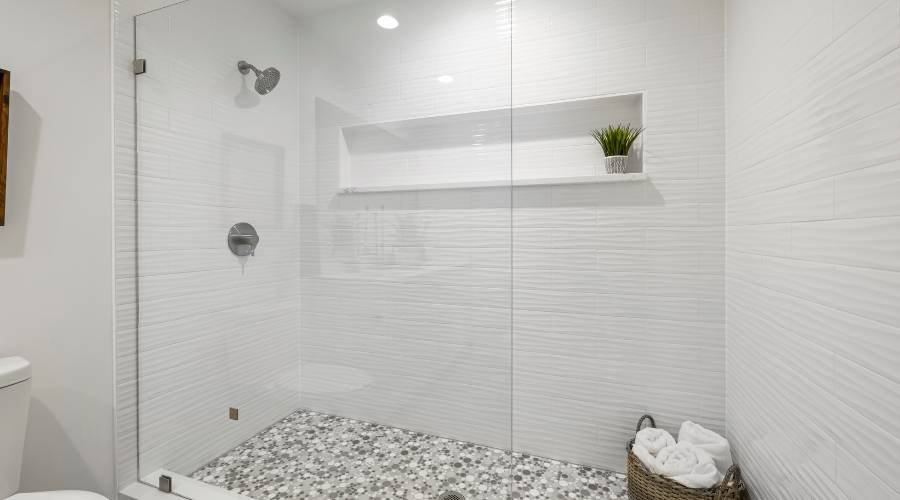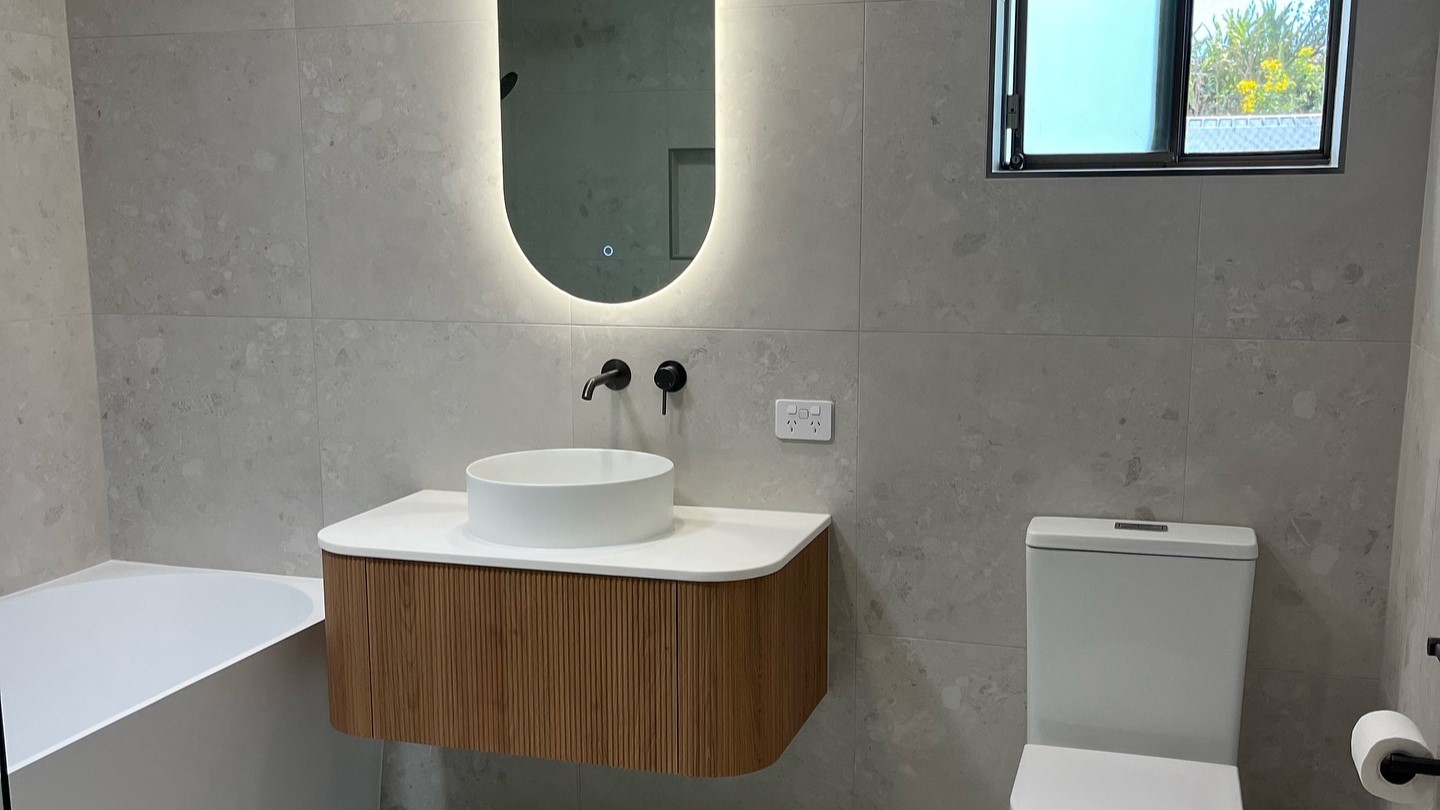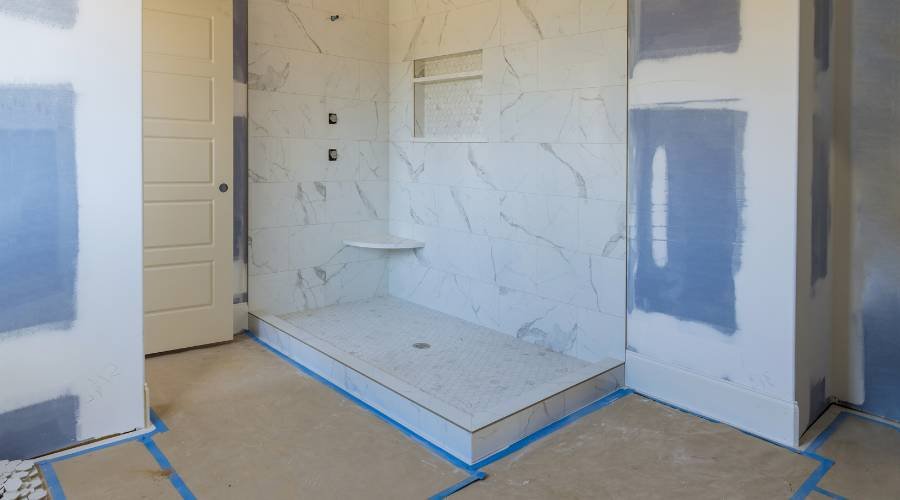
If your bathroom tiles are dated but still firmly stuck to the wall, tiling straight over the top can sound like the perfect shortcut. No demolition, less mess and a faster result. It's one of the most common questions Gold Coast homeowners ask when they start planning a bathroom update.
The honest answer is that tiling over tiles can work in the right situation, but it isn't always the shortcut it seems. Here's what needs to be true for it to work, where it causes problems, and why removing the old tiles is often the better long-term choice.
Yes, It Can Be Done, With the Right Preparation
Tiling over existing tiles is possible, but it relies on doing the preparation properly. The original tiles need to be thoroughly cleaned and primed so the new adhesive has something to grip. A high-performance, polymer-modified tile adhesive is used, as standard adhesives aren't designed to bond to a glazed tile surface.
Just as importantly, the old tiles need to be a solid base. New tiles are only ever as sound as what's underneath them, so any weakness in the existing surface will carry straight through into the new finish.

When Tiling Over Tiles Causes Problems
In a bathroom, the tiles are only part of the picture. Here are the situations where going over the top can create more problems than it solves.
Loose, cracked or hollow tiles
If any existing tiles are loose, cracked or sound hollow when tapped, they aren't a stable base. Tiling over them simply buries the problem, and the movement underneath can crack or lift the new tiles later on.
Signs of water damage
Cracked or loose tiles, mould, peeling paint and swollen skirting boards can all point to waterproofing that's no longer doing its job. Covering these up with new tiles hides the symptoms while the leak continues behind them.
An uneven or poorly draining floor
A shower floor needs to be level in the right places and fall correctly towards the drain. Floors are normally prepared with a screed, a cement-based layer that creates a smooth, level surface and helps water drain properly in wet areas. If the existing floor doesn't drain well, a new layer of tiles won't fix it.
Extra height where you don't want it
Every new layer of tile and adhesive adds thickness. On floors, that can affect how the bathroom meets the hallway, how doors close and how the floor sits around the drain. On walls, it can change how tapware, outlets and trims line up.
The Waterproofing Question
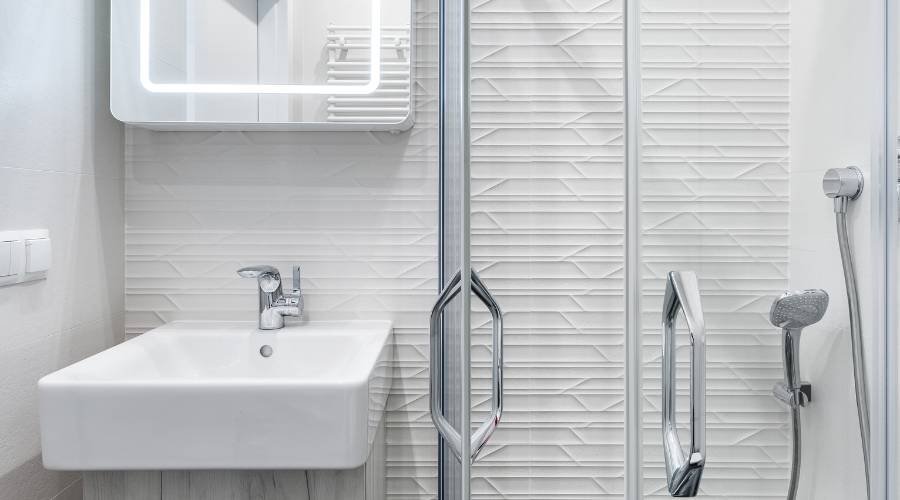
This is the part many people don't think about. Bathrooms need full waterproofing, even over concrete or existing tiles, in line with the Australian Standard for wet areas, AS 3740. The waterproofing membrane, not the tiles or grout, is what keeps water out of your walls and floors.
If you're tiling over tiles in a wet area, that membrane still needs to be in place and in good condition, and any new membrane needs 24 to 48 hours to dry before tiling can begin. If the original waterproofing has failed, no amount of new tiling will fix it. The only lasting repair is to remove the affected area and re-waterproof it properly.
Tiling over tiles makes the most sense when
The existing tiles are solid: every tile is firmly bonded, with no cracks, lifting or hollow spots.
There are no signs of leaks: no mould, musty smells, swollen skirting or water stains near the shower.
The floor drains properly: water runs to the drain without pooling.
The extra height works: doors, drains, tapware and transitions still line up with the added thickness.
It's the right area: a feature wall or splashback outside the shower is a very different job to a shower floor.
Why Removing the Old Tiles Is Often the Better Choice
Removing old tiles is sometimes the better long-term choice, even though it adds a step at the start. Taking the bathroom back to its base gives you a clear view of what's behind the walls and under the floor. Any hidden damage can be fixed, new waterproofing can be applied and certified, and the floor can be screeded and levelled so it drains properly.
It also gives you a completely fresh start on the design. Without the old tile layout dictating where things go, you're free to change your tile size, rethink the shower, or move fixtures to suit the way you use the room.
A full renovation doesn't have to drag on, either. In a typical renovation, demolition and preparation take two to three days, and most projects are completed within two to three weeks, depending on scope.
How Long Does Retiling Take?
Whether you're tiling over the top or starting fresh, a few stages need time to set before the bathroom can be used. As a guide:
- Waterproofing: 24 to 48 hours to dry before tiling starts.
- Floor and wall tiling: around two to four days.
- Walking on new floor tiles: leave them for at least 24 hours so the adhesive can set.
- Grouting: 24 hours after the tiles are set.
- Showering: wait at least 48 hours after grouting.
For more on how tiling fits into a renovation, from screeding to mitred corners, visit our bathroom tiling page.
Not Sure What's Behind Your Tiles?
Whether tiling over tiles is the right call depends on what's going on underneath, and that's hard to judge from the surface. Before you commit to a shortcut, it's worth having someone check the condition of your tiles, waterproofing and floor so you know which option will last.
Get in touch with Only Bathrooms GC to book a free consultation and find out the best way forward for your bathroom.